

Call us now
08045477377
Call us now
08045477377
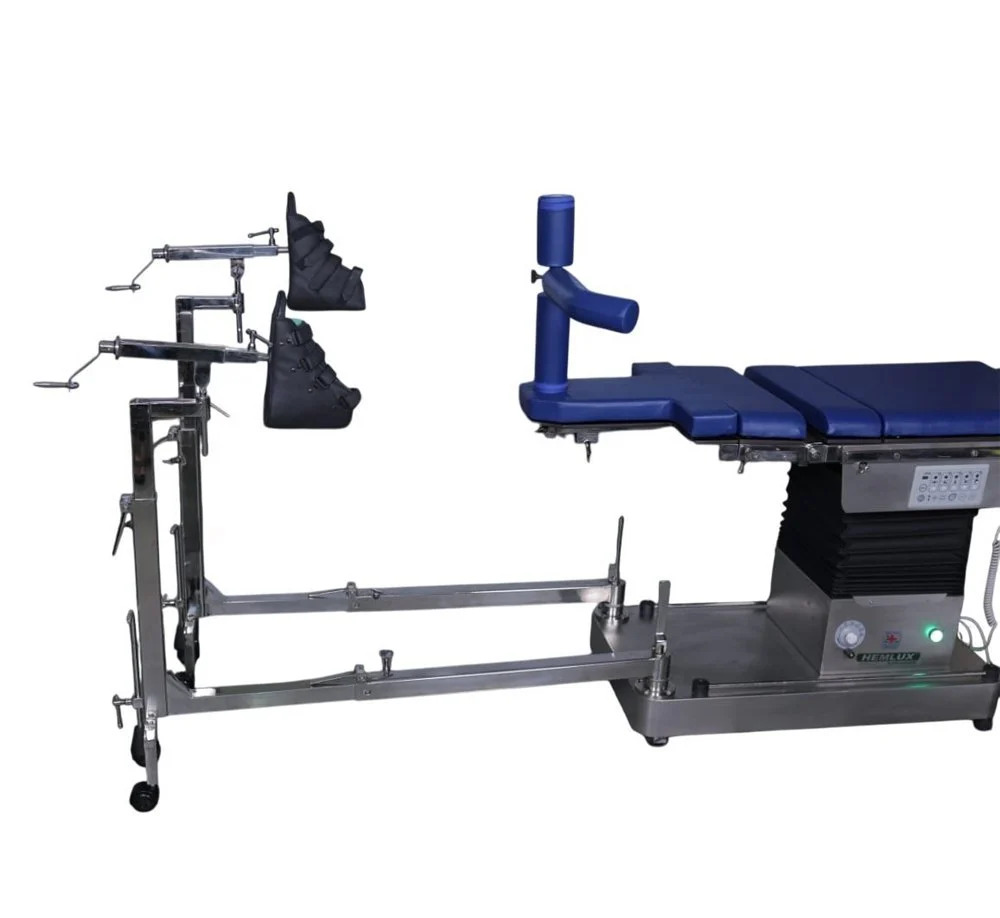
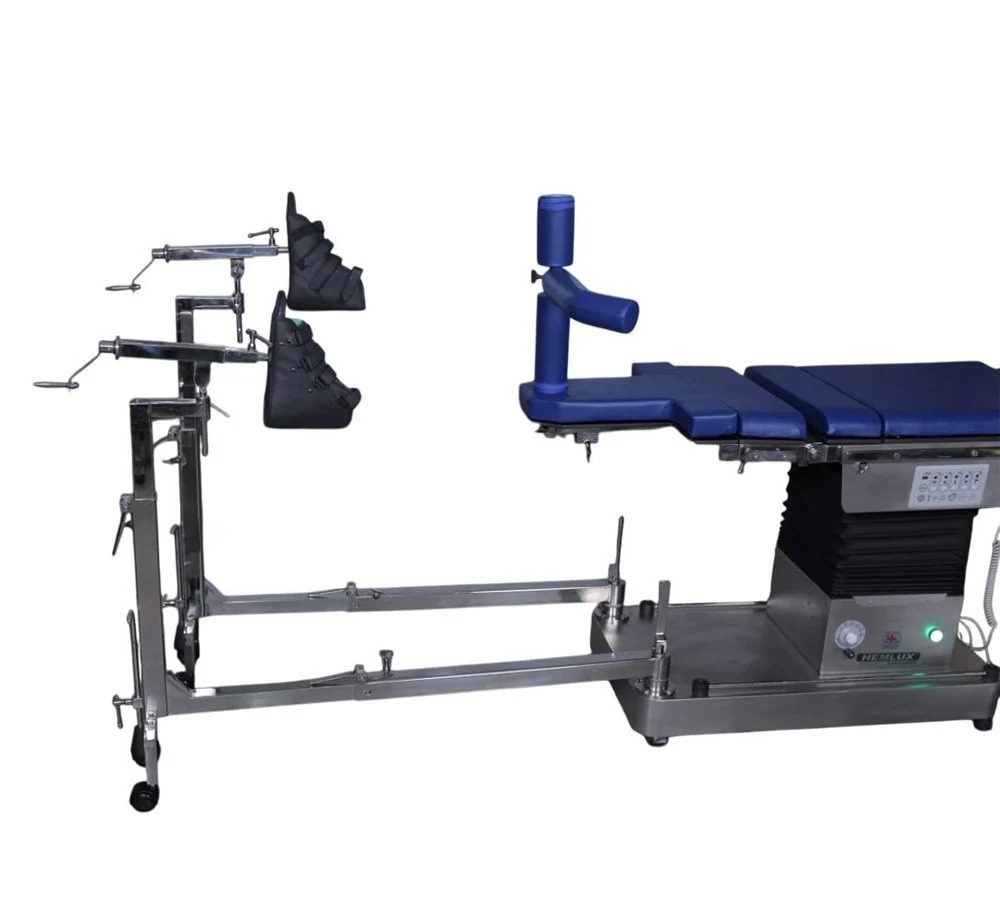
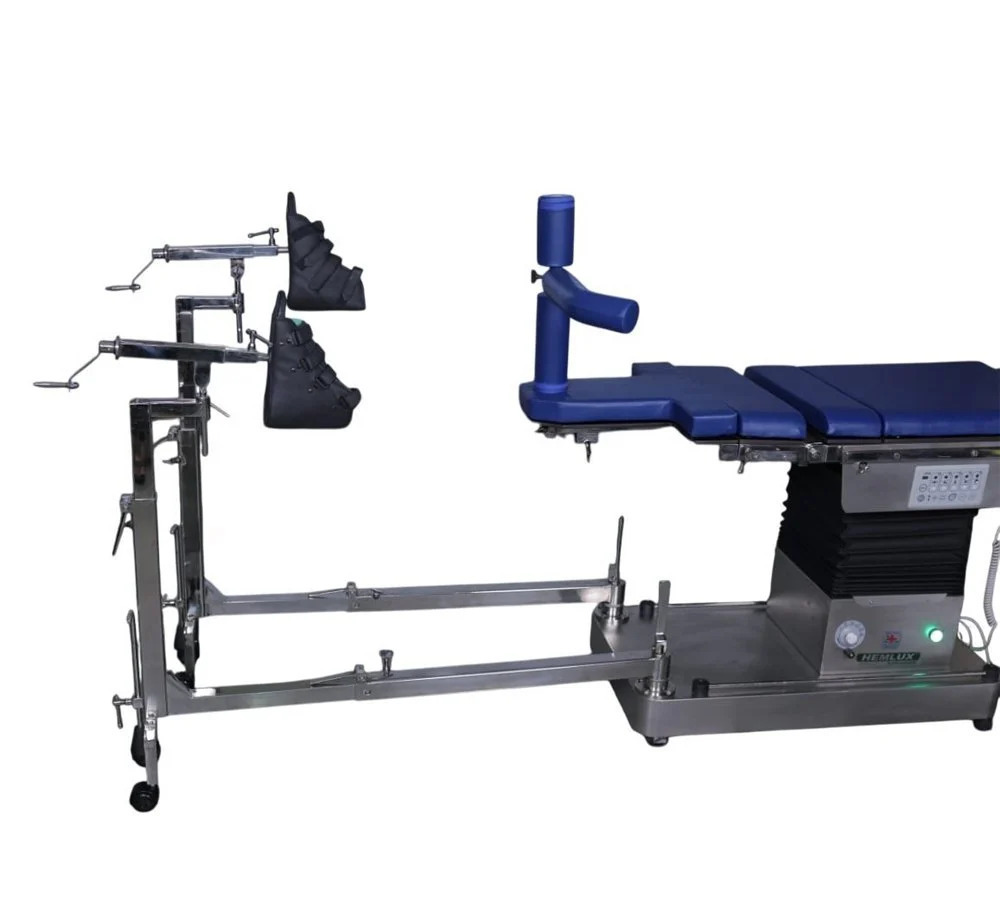
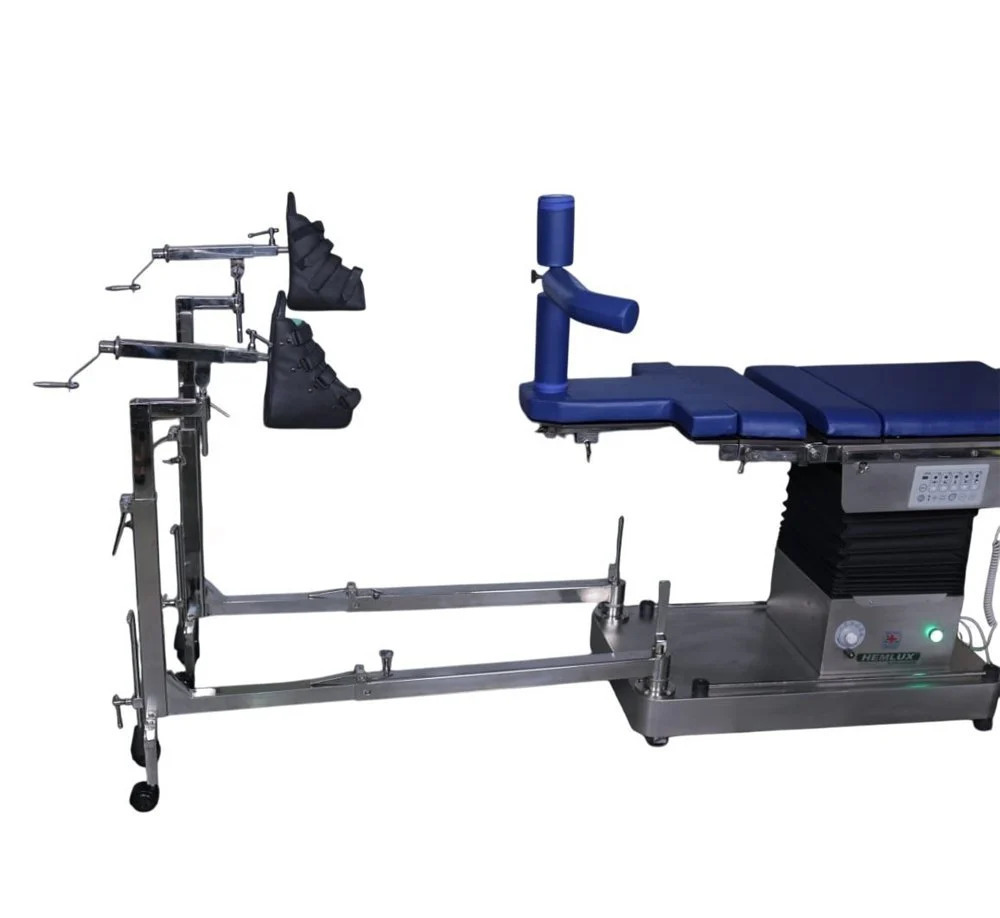
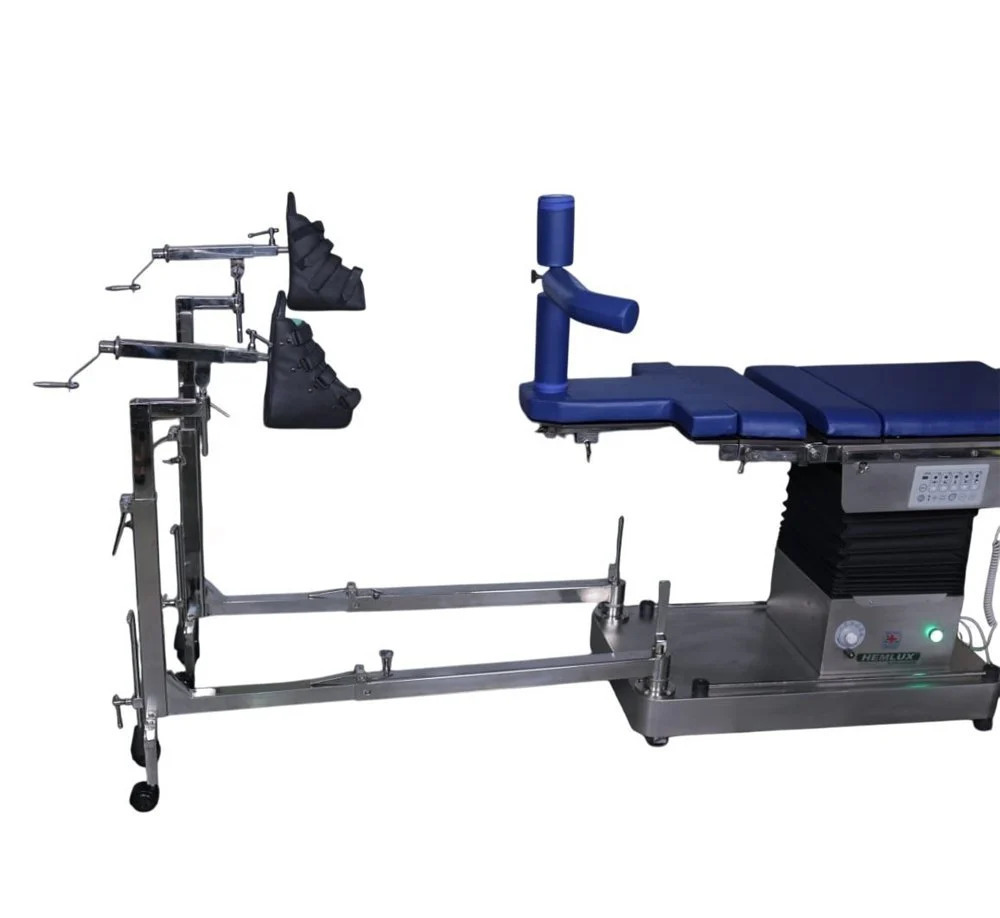
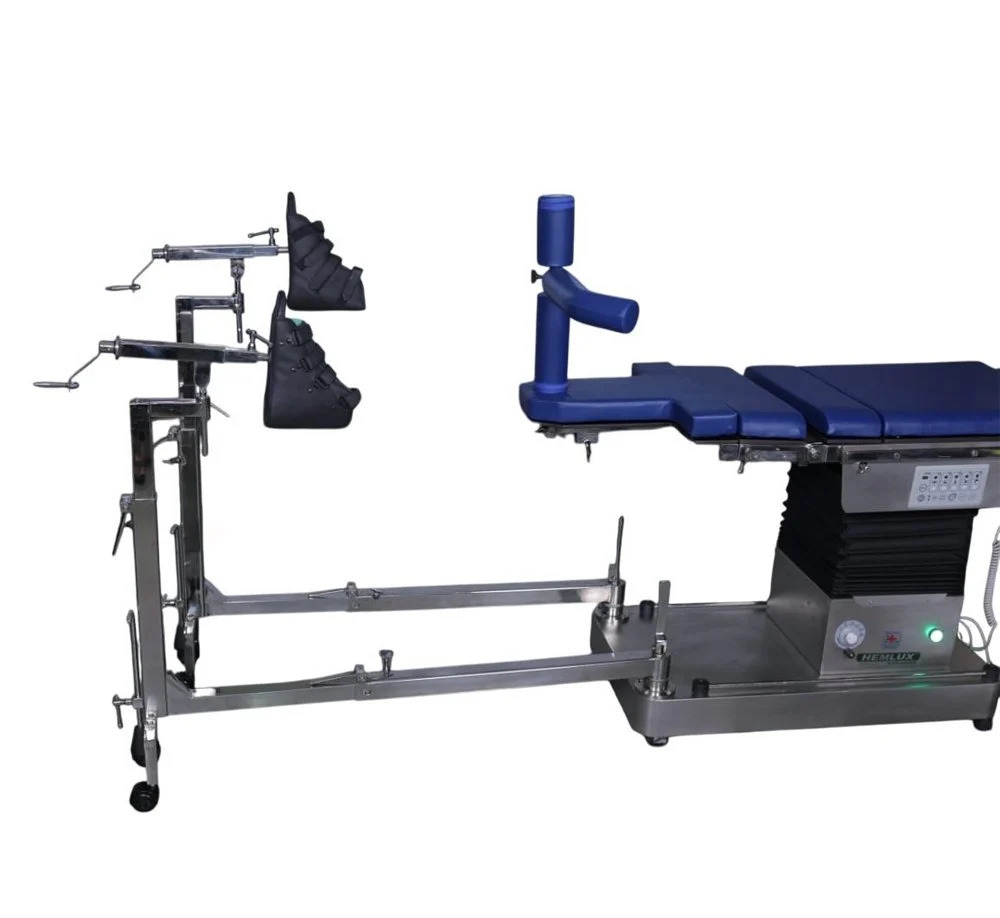
Orthopedic extension devices are specialized medical tools used to immobilize, support, and align bones and joints, primarily during the treatment of fractures, dislocations, or post-surgical recovery. These devices apply controlled traction or tension to specific parts of the body, typically limbs, to maintain proper anatomical positioning and facilitate healing. Commonly used in hospitals and orthopedic clinics, extension devices are essential in procedures like skeletal traction, where a steady pulling force is applied to correct deformities or reduce fractures.
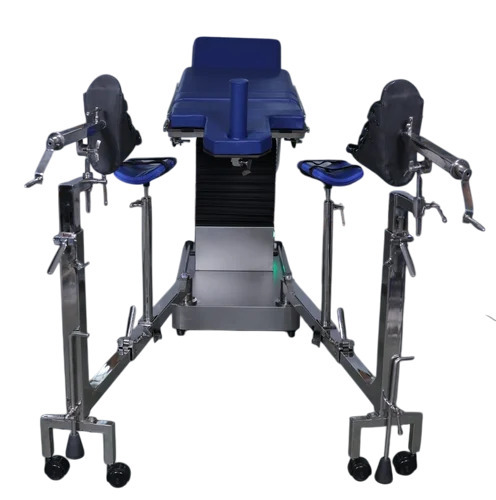
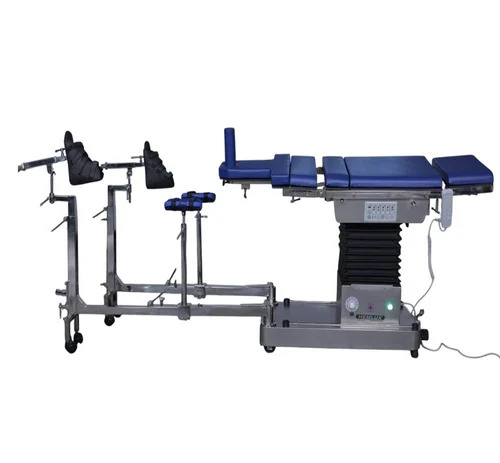
There are various types of orthopedic extension devices, including traction tables, external fixators, and pulley systems with weights. For example, a Thomas splint or a balanced suspension system might be used for lower limb injuries, particularly femoral fractures. These devices help prevent muscle spasms, reduce pain, and minimize further injury during the healing process.
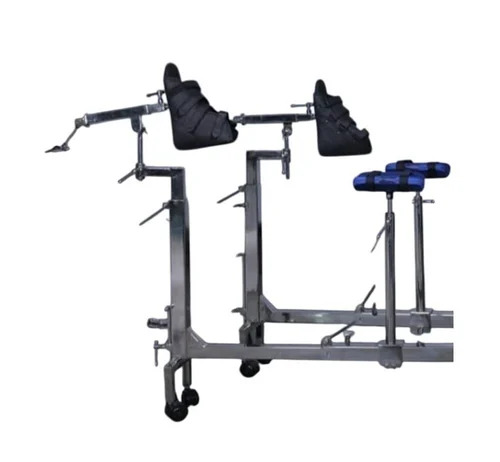
Modern orthopedic extension systems often incorporate adjustable frames, padded supports, and computerized controls to enhance precision, patient comfort, and safety. Their use requires skilled handling by healthcare professionals to ensure proper alignment and avoid complications such as pressure sores or nerve damage.
Overall, orthopedic extension devices play a critical role in musculoskeletal care by providing mechanical stability, reducing complications, and improving patient outcomes in the treatment of complex injuries.

Price:


 Send Inquiry


 Send Inquiry